নিউইয়র্ক ২০ নভেম্বর ২০২৬, শুক্রবার | ৬ অগ্রহায়ণ ১৪৩৩ বঙ্গাব্দ

একটি ওষুধের দামও না কমিয়ে মেডিকেয়ার শিগগিরই সুবিধাভোগীদের প্রেসক্রিপশনের ওষুধের খরচ এক বিলিয়ন ডলারের বেশি সাশ্রয় করতে পারে। প্রস্তাবিত একটি সংস্কারের মাধ্যমে এটি সম্ভব হবে। এতে স্বল্পপরিচিত একটি ফেডারেল ছাড় কর্মসূচির আওতায় কেনা ওষুধের জন্য হাসপাতালগুলোকে মেডিকেয়ার কীভাবে অর্থ পরিশোধ করে, সেই পদ্ধতি পরিবর্তন করা হবে।
নিয়ন্ত্রক সংস্থাগুলোর এই সুযোগ হাতছাড়া করা উচিত নয়।
১৯৯২ সালে চালু হওয়া ৩৪০বি ড্রাগ ডিসকাউন্ট প্রোগ্রামের আওতায় ওষুধ প্রস্তুতকারকদের নির্দিষ্ট যোগ্য স্বাস্থ্যসেবাদাতা প্রতিষ্ঠানগুলোর কাছে বহির্বিভাগের ওষুধ বড় ধরনের ছাড়ে বিক্রি করতে হয়। ফেডারেল সহায়তাপ্রাপ্ত ক্লিনিক এবং স্টেট ও স্থানীয় সরকারের সরকারি হাসপাতালগুলোর জন্য সীমিত একটি সুরক্ষাব্যবস্থা হিসেবে কর্মসূচিটি শুরু হয়েছিল।
কিন্তু কর্মসূচিটি এখন তার মূল পরিধির অনেক বাইরে বিস্তৃত হয়েছে। বর্তমানে যুক্তরাষ্ট্রের অলাভজনক হাসপাতালগুলোর প্রায় দুই তৃতীয়াংশ ৩৪০বির অন্তর্ভুক্ত। এই কর্মসূচির আওতায় প্রতিবছর ছাড়ে কেনা ওষুধের পরিমাণ ১০০ বিলিয়ন ডলারের বেশি। এটি একটি ‘উল্টো রবিন হুড’ ব্যবস্থা হিসেবে কাজ করছে।
ব্যবস্থাটি যেভাবে কাজ করে তা হলো:
অংশগ্রহণকারী একটি হাসপাতাল ৩৪০বির আওতায় বড় ছাড়ে বহির্বিভাগের কোনো ওষুধ কেনে। এরপর সেটির জন্য মেডিকেয়ার, কোনো বেসরকারি বিমা প্রতিষ্ঠান, এমনকি নগদ অর্থ পরিশোধকারী রোগীর কাছেও অনেক বেশি দামে বিল করে এবং দামের পার্থক্য নিজের কাছে রেখে দেয়। কর্মসূচির নিয়ম অনুযায়ী হাসপাতালকে এই ছাড় সরাসরি রোগীর কাছে পৌঁছে দিতে হয় না।
শেষ পর্যন্ত উচ্চতর প্রিমিয়াম, ডিডাক্টিবল ও কোইনস্যুরেন্সের মাধ্যমে রোগীরাই এই বাড়তি আয়ের অর্থ জোগান দেন। মেডিকেয়ারের সুবিধাভোগীরা সরাসরি ক্ষতিগ্রস্ত হন। কারণ, তাঁদের বহন করতে হয় এমন ব্যয়ের ২০ শতাংশ নির্ধারিত হয় মেডিকেয়ারের পরিশোধিত অর্থের ভিত্তিতে, হাসপাতাল যে বড় ছাড়ে ওষুধটি কিনেছে, সেই খরচের ভিত্তিতে নয়। সাম্প্রতিক একটি গবেষণায় এমন ঘটনাও পাওয়া গেছে, যেখানে মেডিকেয়ার সুবিধাভোগীর কোইনস্যুরেন্সের পরিমাণই ওষুধটি কিনতে হাসপাতালের মোট খরচের চেয়ে বেশি ছিল।
তবে শুধু রোগীরাই ক্ষতিগ্রস্ত হচ্ছেন না। বর্তমান ব্যবস্থা ছোট হাসপাতালগুলোকেও অসুবিধায় ফেলছে। এর মধ্যে রয়েছে গ্রামীণ ও কমিউনিটি হাসপাতাল, যারা ৩৪০বির ওষুধ থেকে বিপুল মুনাফা করে না।
মেডিকেয়ারের হাসপাতালের বহির্বিভাগে অর্থ পরিশোধের ব্যবস্থা ‘বাজেট নিরপেক্ষ’। অর্থাৎ, মোট পরিশোধযোগ্য অর্থের তহবিল কার্যত নির্দিষ্ট থাকে। ছাড়ে কেনা ওষুধের জন্য অতিরিক্ত অর্থ পরিশোধের কারণে অন্য সব হাসপাতালের বহির্বিভাগীয় সেবার জন্য কম অর্থ অবশিষ্ট থাকে।
এর ফল আরেক ধরনের উল্টো রবিন হুড স্থানান্তর: ছোট এবং ওষুধনির্ভর সেবা তুলনামূলক কম দেওয়া হাসপাতালগুলো থেকে অর্থ চলে যায় বড় স্বাস্থ্যসেবা ব্যবস্থাগুলোর কাছে, যারা ৩৪০বিকে আয়ের একটি বড় উৎসে পরিণত করেছে।
৩৪০বির এই বিকৃতি সংশোধনের গুরুত্বপূর্ণ প্রথম পদক্ষেপ হিসেবে সিএমএস এখন একটি প্রস্তাব দিয়েছে। সংস্থাটির প্রস্তাব অনুযায়ী, ২০২৭ সাল থেকে ৩৪০বির ওষুধের জন্য হাসপাতালগুলোকে ওষুধের গড় বিক্রয়মূল্যের (এএসপি) চেয়ে ৩৩.৪ শতাংশ কম অর্থ দেওয়া হবে। সিএমএসের হাসপাতাল জরিপে জানানো ক্রয়মূল্যের প্রতিফলন ঘটাবে এই হার। বর্তমানে এসব ওষুধের জন্য এএসপির সঙ্গে অতিরিক্ত ৬ শতাংশ অর্থ দেওয়া হয়।
এটি অত্যন্ত প্রয়োজনীয় একটি সংশোধন। হাসপাতালগুলো ওষুধ কিনতে যে অর্থ ব্যয় করেছে, মেডিকেয়ারের জেনেশুনে তার চেয়ে অনেক বেশি অর্থ পরিশোধ করা উচিত নয়। বিশেষ করে যখন সেই বাড়তি পরিশোধের একটি নির্দিষ্ট শতাংশ রোগীদের বহন করতে হয়।
এই অর্থ হাসপাতালগুলোর হিসাব থেকেও হারিয়ে যাবে না। বাজেট নিরপেক্ষতার কারণে সিএমএস ৩৪০বির ওষুধের জন্য পরিশোধ কমিয়ে সাশ্রয় হওয়া অর্থ হাসপাতালগুলোর ওষুধ ছাড়া অন্য বহির্বিভাগীয় সেবার জন্য বাড়তি অর্থ পরিশোধে ব্যবহার করবে।
রোগীরাই স্পষ্টভাবে লাভবান হবেন। সিএমএসের হিসাবে, প্রথম বছরেই সুবিধাভোগীদের ১.১৫ বিলিয়ন ডলার সাশ্রয় হবে। ক্যানসারের চিকিৎসা এবং অন্যান্য ব্যয়বহুল থেরাপি নেওয়া প্রবীণদের জন্য এটি হবে বাস্তব স্বস্তি।
দীর্ঘদিন ধরে স্বল্পপরিচিত এই সরকারি কর্মসূচি রোগী ও টিকে থাকতে সংগ্রামরত সেবাদাতা প্রতিষ্ঠানগুলোর কাছ থেকে অর্থ নিয়ে দেশের সবচেয়ে ধনী কিছু হাসপাতালকে আরও সমৃদ্ধ করেছে। উল্টো রবিন হুডের এই ব্যবস্থা সংশোধন শুরু করার সুযোগ এখন সিএমএসের সামনে রয়েছে।
সংস্থাটির এই সুযোগ গ্রহণ করা উচিত।
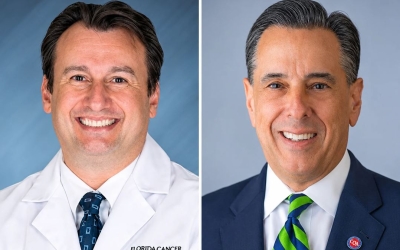
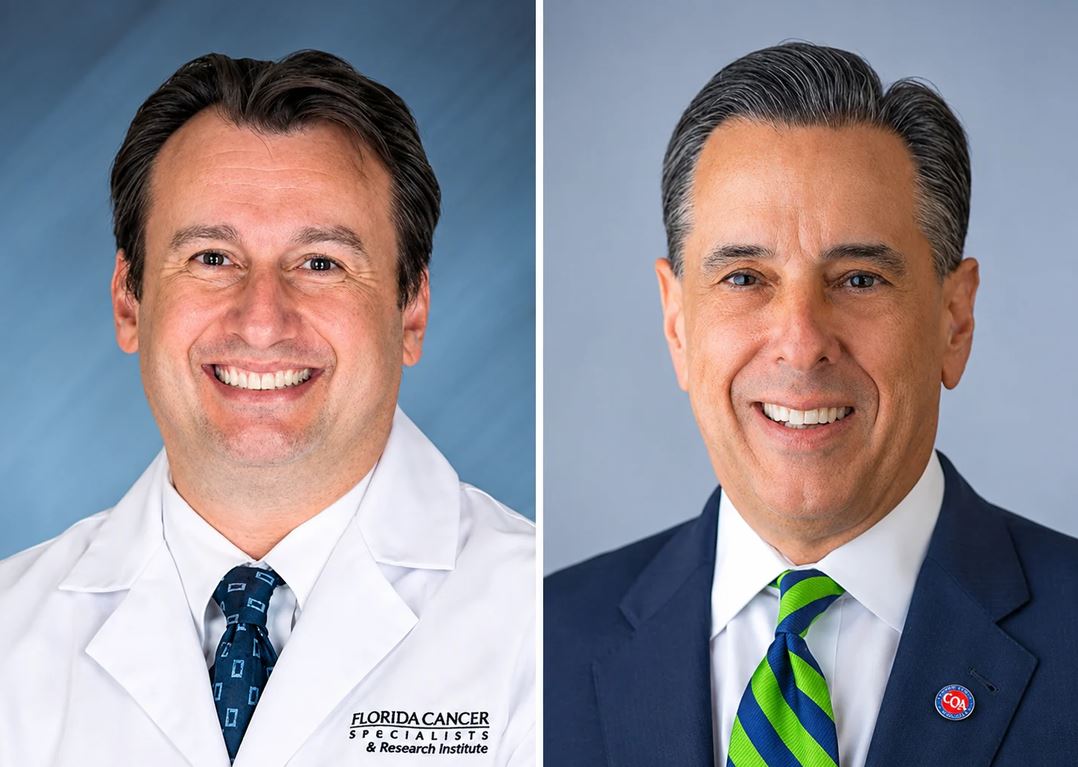
টেড ওকন কমিউনিটি অনকোলজি অ্যালায়েন্সের নির্বাহী পরিচালক। লুসিও গর্ডান, এমডি, ফ্লোরিডা ক্যানসার স্পেশালিস্টস অ্যান্ড রিসার্চ ইনস্টিটিউটের প্রেসিডেন্ট ও ম্যানেজিং ফিজিশিয়ান।
The Reverse Robin Hood Costing Patients More for Drugs
By Ted Okon & Lucio Gordan, MD
Medicare could soon save beneficiaries over a billion dollars on prescription drugs -- without slashing the price of a single medicine. A proposed reform would achieve this by changing how Medicare reimburses hospitals for drugs purchased through a little-known federal discount program.
It's an opportunity regulators can't afford to waste.
Created in 1992, the 340B Drug Discount Program requires drug manufacturers to sell outpatient medications at steep discounts to certain eligible health care providers. The program began as a narrow protection for federally supported clinics and state and local public hospitals.
But the program has expanded far beyond its original scope. Today, 340B includes roughly two-thirds of the nation's nonprofit hospitals and accounts for more than $100 billion in discounted drug purchases annually -- operating as a "reverse Robin Hood" system.
Here's how it works.
A participating hospital buys an outpatient drug at a deep 340B discount. It then bills Medicare, a private insurer, or even a cash-paying patient at a much higher price and keeps the difference. The program does not require the hospital to pass the discount directly to the patient.
Patients ultimately finance those margins through higher premiums, deductibles, and coinsurance. Medicare beneficiaries are hit directly because their 20% cost sharing is based on Medicare's payment amount, and not the hospital's heavily discounted drug cost. A recent study found cases in which a Medicare beneficiary's coinsurance alone was greater than the hospital's entire cost for the drug.
But patients are not the only losers. The current system also disadvantages smaller hospitals, including rural and community facilities that do not generate enormous profits from 340B drugs.
Medicare's hospital outpatient payment system is "budget neutral," meaning the overall payment pool is essentially fixed. Excessive payments for discounted drugs leave less money available to pay all other hospitals for outpatient services.
The result is another reverse Robin Hood transfer: from smaller and less drug-intensive hospitals to large health systems that have turned 340B into a major revenue stream.
CMS is now proposing an important first step toward fixing the 340B distortion. Beginning in 2027, the agency would pay hospitals for 340B drugs at the average sales price (ASP) of a drug minus 33.4%, reflecting the acquisition costs reported in CMS's hospital survey, rather than the current payment of ASP plus 6%.
That's a much-needed correction. Medicare should not knowingly pay hospitals far more for drugs than the hospitals paid to acquire them, particularly when patients owe a percentage of those inflated payments.
Nor would the money disappear from hospital balance sheets. Thanks to budget neutrality, CMS would simply redirect the reduction in 340B drug payments into higher payments for hospitals' non-drug outpatient services.
Patients would be clear winners. CMS estimates that beneficiaries would save $1.15 billion in the first year -- real relief for seniors undergoing cancer treatment and other expensive therapies.
For too long, this obscure government program has taken from patients and struggling providers to enrich some of the nation's wealthiest hospitals. CMS has an opportunity to begin fixing the reverse Robin Hood.
It should take it.
Ted Okon is the Executive Director of the Community Oncology Alliance. Lucio Gordan, MD, is the President and Managing Physician at Florida Cancer Specialists & Research Institute.